
Call us now :
 Send Inquiry
 Send Inquiry
Solar Inverter Transformers
Price 400000 INR/ Unit
MOQ : 01 Unit
Solar Inverter Transformers Specification
- Low Voltage
- Customized (Typically 400V - 690V)
- Voltage Booster Type
- Automatic / Manual step-up
- Standard
- IEC 60076 / IS 2026
- Capacity
- 10 kVA to 2500 kVA
- Cooling Type
- ONAN (Oil Natural Air Natural), AN (Air Natural)
- Operating Temperature
- -20C to +50C
- High Voltage
- Customized (Typically up to 33 kV)
- Load Loss
- Low (as per IEC/IS Standard)
- Dimension (L*W*H)
- Customized as per specification
- Coil Material
- Copper / Aluminium
- Rated Voltage
- 11 kV / 0.415 kV (customizations available)
- Product Type
- Step-Up/Step-Down Solar Inverter Transformer
- Material
- High-grade Silicon Steel Core, Copper/Aluminium Winding
- Output
- Customizable as per inverter requirement
- Frequency (MHz)
- 50 Hz
- Efficiency
- 98% or higher
- Phase
- Three Phase
- Usage
- Suitable for solar inverters and solar power generation systems
- Coil Structure
- Toroidal / Layered
- Coil Number
- Multiple windings
- Power Scope
- Up to 2500 kVA
- Weight
- Varies by rating (typically 150 kg to 1500 kg)
- Service Life
- >20 Years with proper maintenance
- Mounting
- Floor / Skid
- Connection Type
- Delta/Star (Dyn11 or as required)
- Protection
- Overload, Over-temperature, Lightning arrestor suitable
- Impedance Voltage
- As per design (typically 4% to 6%)
- Winding Technique
- Vacuum pressure impregnated (VPI or VPI Resin Cast)
- Paint Finish
- Epoxy/PU coated with corrosion resistance
- Ambient Humidity
- Up to 95% RH non-condensing
- Insulation Class
- Class F or H
- Noise Level
- < 65 dB(A) at 1 meter
Solar Inverter Transformers Trade Information
- Minimum Order Quantity
- 01 Unit
- Payment Terms
- Others
- Main Domestic Market
- All India
About Solar Inverter Transformers
We are supplying here the Solar Inverter Transformers that are critical components in solar energy production and distribution. For transformers used for solar projects, it is necessary to design with high durability, stable, and long-term operation. These transformers operate with low voltage input, which are solar inverters influenced by high-order harmonics. It is a type of electrical converter which converts the variable direct current (DC) output of a photovoltaic (PV) solar panel into a utility frequency alternating current (AC) that can be fed into a commercial electrical grid. Solar Inverter Transformers are very efficient and made for commercial uses.
Built for Solar Power Applications
Specifically engineered for the demands of solar inverters and generation systems, these transformers support a wide variety of renewable energy setups. Their flexible, customizable output allows seamless integration with different solar inverter brands, ensuring compatibility and optimized performance for both small and large-scale installations.
Durability and High Efficiency Design
Encased in epoxy/PU corrosion-resistant coatings and utilizing vacuum pressure impregnated windings, these transformers are built for longevity. Their efficient design (98% or higher) means reduced energy loss, while low-noise operation and robust overload, over-temperature, and lightning protection guarantee dependable service life exceeding 20 years with proper upkeep.
Stringent Standards and Customization
Conforming to international (IEC 60076) and domestic (IS 2026) standards, our transformers are tailored to client specifications, including voltage, dimensions, and cooling options. This ensures reliable and safe integration into diverse solar projects, with a wide power scope (10 kVA-2500 kVA) and customizable ratings to suit unique site requirements.
FAQ's of Solar Inverter Transformers:
Q: What is the primary use of Solar Inverter Transformers with Class F or H insulation?
A: These transformers are engineered to step up or step down voltages for solar inverter and solar power generation systems, ensuring safe and efficient power transfer between solar panels, inverters, and the grid or local loads.Q: How do I select the appropriate capacity and voltage rating for my solar project?
A: Transformer capacity (10 kVA-2500 kVA) and voltage ratings (up to 33 kV high voltage, 400V-690V low voltage) are selected based on the inverter output, system load, and grid requirements. Our team can assist in customizing the specifications to match your application for optimal efficiency and safety.Q: When should maintenance be performed on these transformers, and what does it involve?
A: Regular maintenance-typically annual inspections and as-needed servicing-includes checking thermal performance, cleaning, ensuring oil (if applicable) is within recommended levels, and inspecting winding and insulation integrity to secure a service life beyond 20 years.Q: Where are these transformers typically installed within a solar plant?
A: They are commonly floor- or skid-mounted near solar inverter stations or powerhouses in solar farms, providing a reliable interface for voltage transformation and grid connection within distributed or centralized solar setups.Q: What processes are used to ensure winding and insulation reliability?
A: The transformers employ vacuum pressure impregnation (VPI) or VPI resin cast techniques for windings, which enhance insulation robustness, moisture resistance, and prevent premature failure under demanding solar plant conditions.Q: What are the key benefits of using this transformer in solar installations?
A: Key benefits include high electrical efficiency (98% or higher), customizable specifications, robust overload and lightning protection, low operational noise, and resistance to humidity and corrosion, resulting in stable, long-term operation and reduced maintenance costs.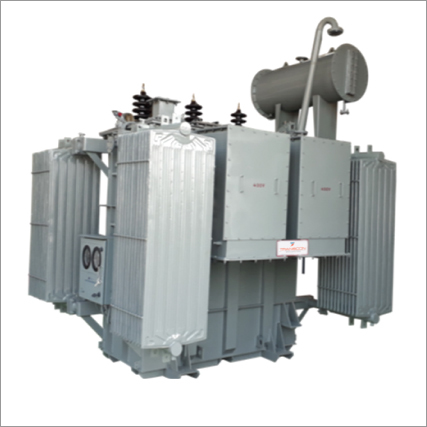
Tell us about your requirement

Price:
Quantity
Select Unit
- 50
- 100
- 200
- 250
- 500
- 1000+
Additional detail
Mobile number
Email

More Products in Electrical Transformers Category
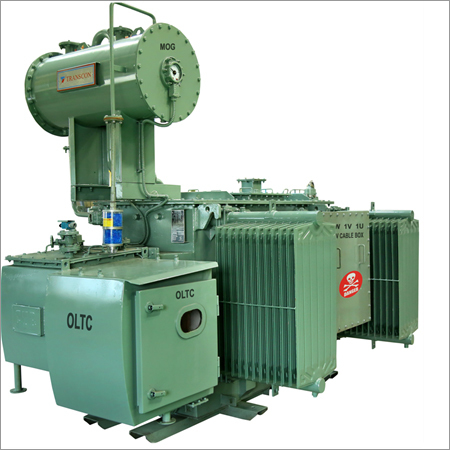
Three Phase Distribution Transformers Up to 2.5 MVA as per IS 1180
Price 959000 INR / Piece
Minimum Order Quantity : 01 Unit
Product Type : Other, Distribution Transformer
Frequency (MHz) : 50 Hz nominal
Usage : Power Distribution
Material : Copper / Aluminium
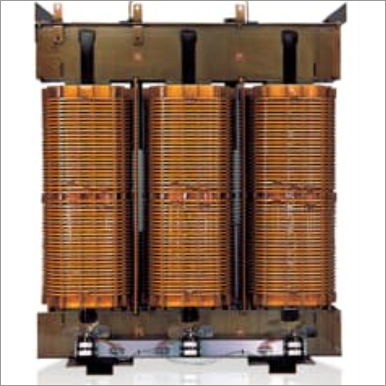
Vpi Dry Type Transformers
Price 900340 INR / Unit
Minimum Order Quantity : 01 Unit
Product Type : Other, VPI Dry Type Transformer
Frequency (MHz) : 5060 Hz
Usage : Electrical Power Distribution
Material : Copper / Aluminum
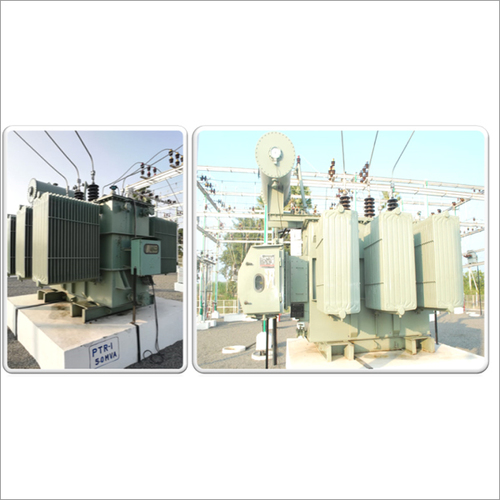
Copper wound OLTC POWER Transfromers
Price 550000 INR
Minimum Order Quantity : 01 , , Unit
Product Type : Other, On Load Tap Changer (OLTC) Power Transformer
Frequency (MHz) : 50 Hz
Usage : Industrial power distribution and voltage regulation applications
Material : Copper wound with highgrade core steel
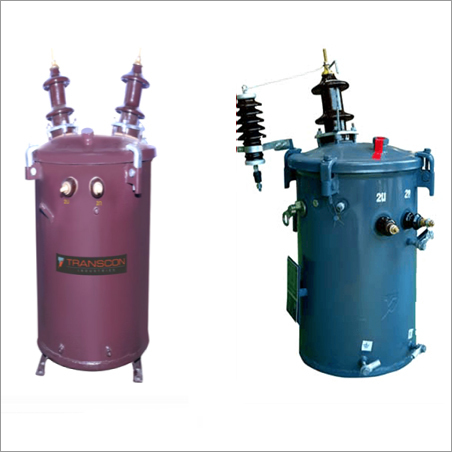
Single Phase Distribution Transformers Up to 25 KVA as per IS 1180
Price 550000 INR
Minimum Order Quantity : 01 Unit
Product Type : Other, Distribution Transformer
Frequency (MHz) : 50 Hz
Usage : Power Distribution
Material : Copper/Aluminium Wound, CRGO Core

 Send Inquiry


SRT-345, Ground Floor, S.R. Nagar, Near Andhra Bank, Umesh Chandra Statue, Hyderabad - 500082, Telangana, India

Mr Narasimham Csvs
(Vice President - Marketing)
Mobile :+919394488567, +919440384000
 Send Inquiry
 Send SMS
Developed and Managed by Infocom Network Private Limited.
 English
 Spanish
 French
 German
 Italian
 Chinese (Simplified)
 Japanese
 Korean
 Arabic
 Portuguese